This website use cookies to ensure you get the best experience on our website
Helpful Information for Your Shipments
In logistics, good planning starts with good information. To support your transport operations, we’ve gathered practical details that make preparing your shipments easier and more efficient. Here you’ll find clear, useful information such as vehicle dimensions, loading capacities, pallet layouts, and other key specifications. Our goal is to help you plan with confidence and choose the right transport solution for your cargo.
For quick browsing use the shortcuts
Pallets
Express Vans
7.5-23 Ton Trucks
Tautliner + Oversized Trailers
🟩1. Pallet Types & Dimensions
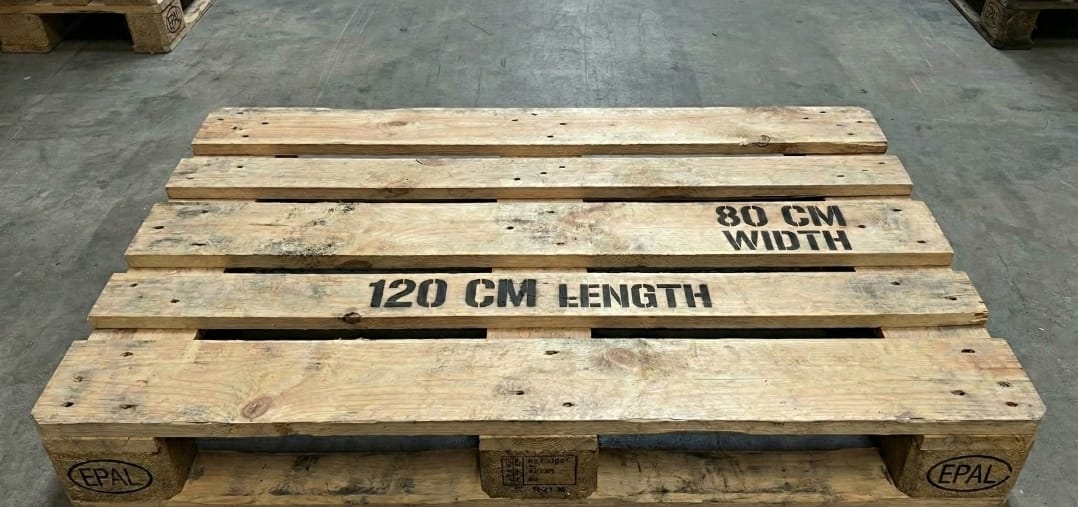
Euro Pallet (EPAL / EUR1)
120 × 80 cm
Most common pallet in for transport and warehousing.
Dimensions:
- 120 × 80 cm
- Height: 14.4 cm
- Weight: 20–25 kg
Typical use:
- General goods
- Retail
- Food indusstry
- Automotive
- Pharmaceuticals
Notes
Fits perfectly in all European vans and trailers. Almost all load plans start with EPAL.
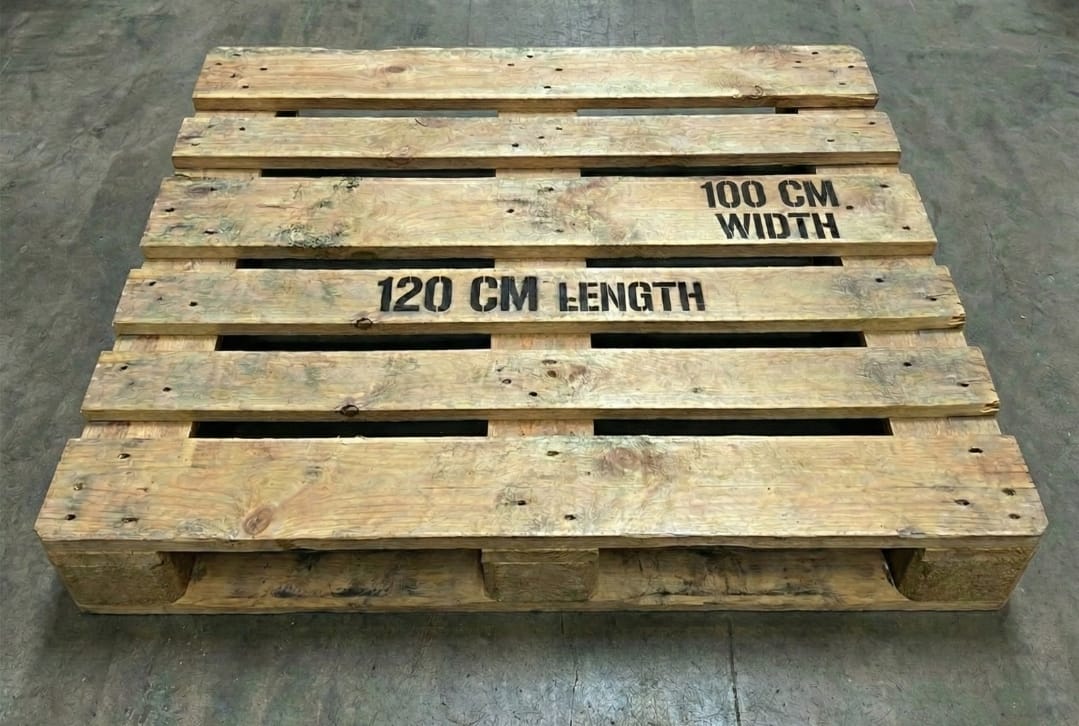
Iso Pallet (One Way Pallet)
120x100cm
Dimensions:
- 120x100 cm
- Height: 14–16 cm
- Weight: 25–30 kg
Typical use:
- Heavy goods
- Industrial equipment
- Machinery parts
- Bulk products
- Construction materials
Notes:
Takes more floor space
Not all vans can load these sideways
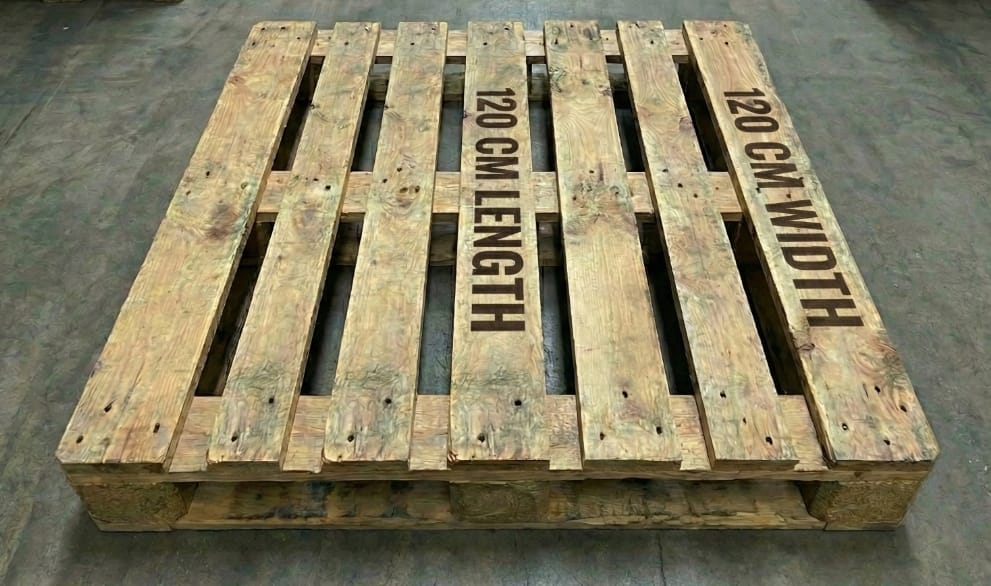
Industrial Pallet
120x120
(Not a universal standard, but used in specific industries.)
Dimensions:
- 120 × 120 cm
- Height: 14–16 cm
- Weight 25-33kg
Typical use:
- Chemical industry
- Bulk bags (big-bags)
- Metallic drums
- Agriculture
- Heavy industrial goods
Notes:
- Only fits efficiently in trailers (curtainsiders, mega trailers)
- Not suitable for vans
- Chemicals, big-bags, agriculture
🚐 2. European Express Vans – Dimensions & Loading Information
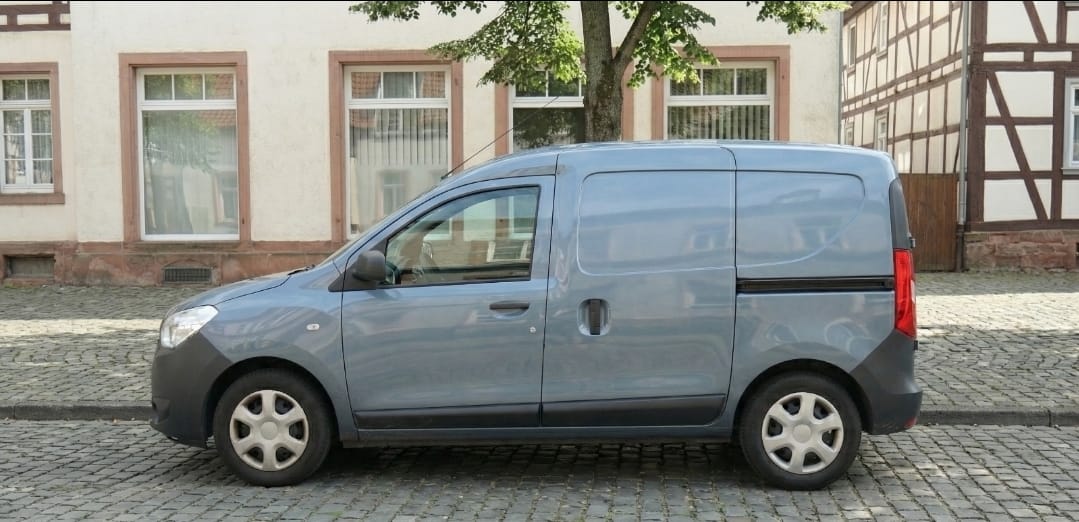
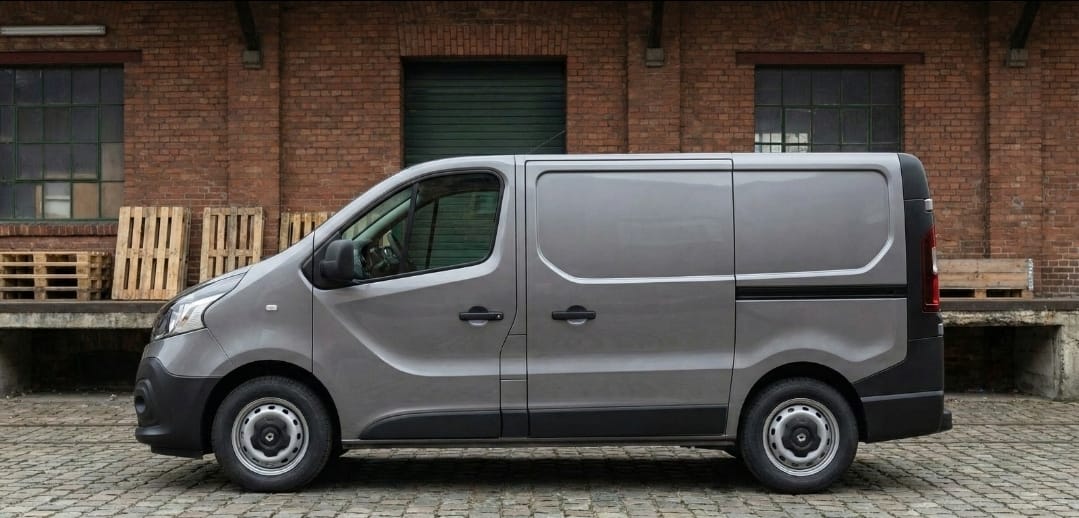
Small Van (Compact Express Van)
Ideal for small parcels, documents, and light
Internal Dimensions (average):
Length: 1.60 – 1.80 m
Width: 1.20 – 1.40 m
Height: 1.10 – 1.25 m
Volume: 3 – 4 m³
Max Payload: 400 – 600 kg
Pallet Capacity:
1-2 Euro Pallet (120×80 cm)
1 IsoPallet 120x100hcm
1 120x120
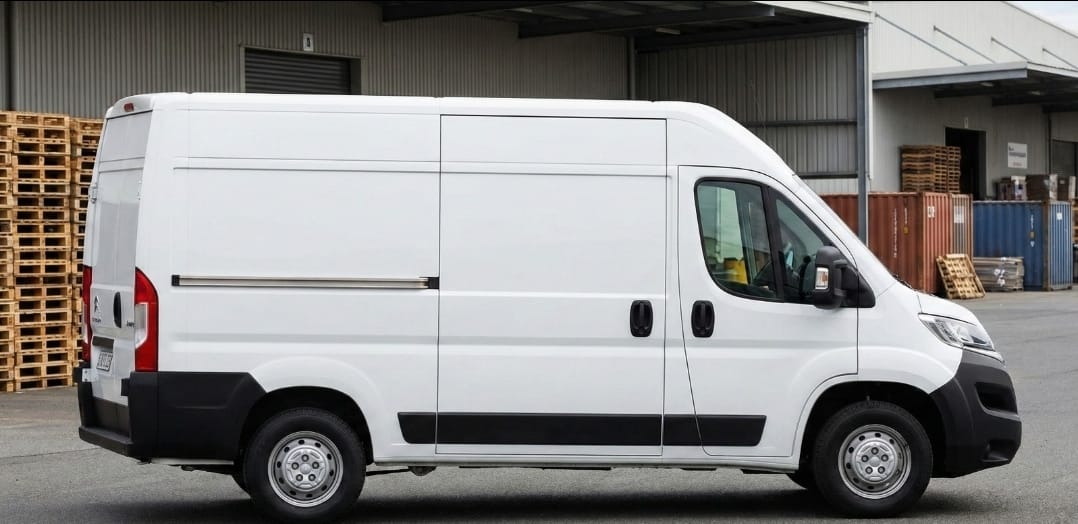
Standard Van
The most common express van type
Internal Dimensions:
Length: 2.40 – 2.60 m
Width: 1.30 – 1.40 m
Height: 1.25 – 1.40 m
Volume: 6 – 8 m³
Max Payload: 800 – 1,200 kg
Pallet Capacity:
2-3 Euro Pallets (120×80)
2 Iso Pallets 120×100
2 Industrial Pallets 120×120
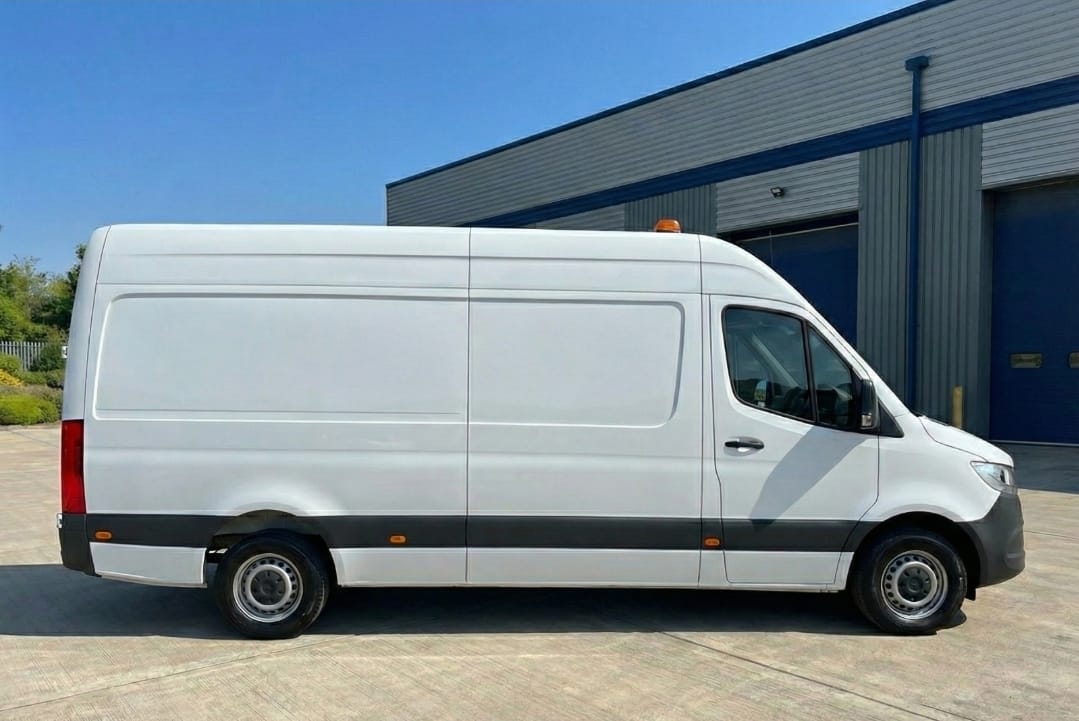
Large Van (
Used for heavier or bulkier urgent shipments.
Internal Dimensions:
Length: 3.20 – 3.6 m
Width: 1.35 – 1.65 m
Height: 1.70 – 1.90 m
Volume: 10 – 14 m³
Max Payload: 1,000 – 1,300 kg
Pallet Capacity:
3-5 Euro Pallets standard
3 Iso Pallets 120×100
3 Industrial Pallets 120×120
Extra-Long Van
Perfect for long, bulky loads requiring fast transit.
Internal Dimensions:
Length: 4.00 – 4.90 m
Width: 1.40 – 1.85 m
Height: 1.80 – 2.25 m
Volume: 15 – 18 m³
Max Payload: 1,000 – 1,200 kg
Pallet Capacity:
6-7 Euro Pallets standard
4 Iso Pallets
4 Industrial Pallets
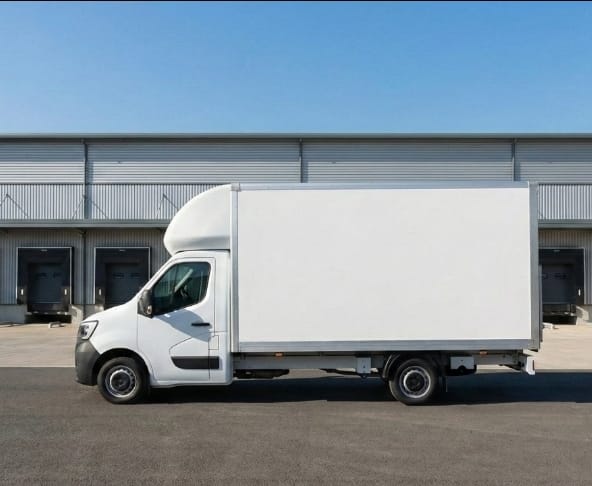
Luton Van / Box Van
Used for fragile goods, furniture, high-value logistics, cargo needing flat walls, or large goods
Internal Dimensions:
Length: 4.00 – 5 m
Width: 1.90 – 2.2 m
Height: 2.00 – 2.3 m
Volume: 18 – 26 m³
Max Payload: 600 – 1,000 kg
Pallet Capacity:
6-10 Euro Pallets
8 Iso Pallets 120×100 pallets
4 Industrial Pallets 120×120 pallets
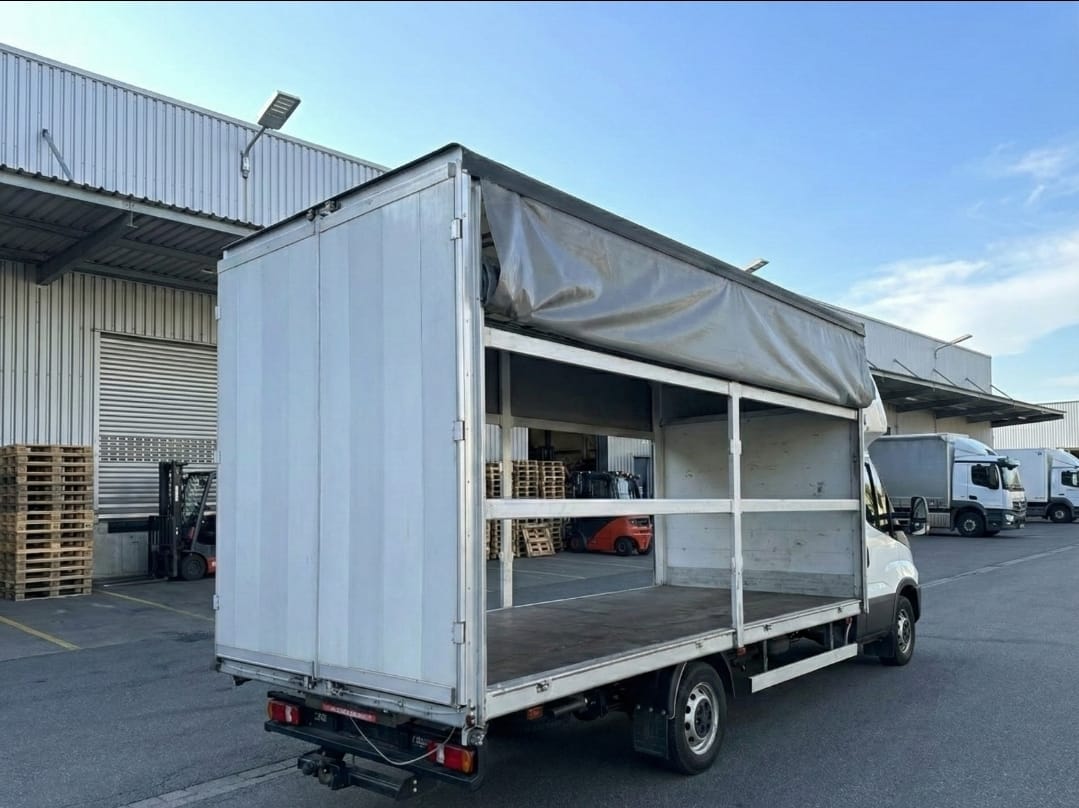
Tilt Van
Used loading from the side, top(rare)
Internal Dimensions:
Length: 4.00 – 5.1 m
Width: 1.90 – 2.3 m
Height: 2.00 – 2.65 m
Volume: 18 – 30 m³
Max Payload: 600 – 1,000 kg
Pallet Capacity:
8-10 Euro Pallets
8 Iso Pallets 120×100 pallets
4 Industrial Pallets 120×120 pallets
🚛7.5 to 23 tones LKW
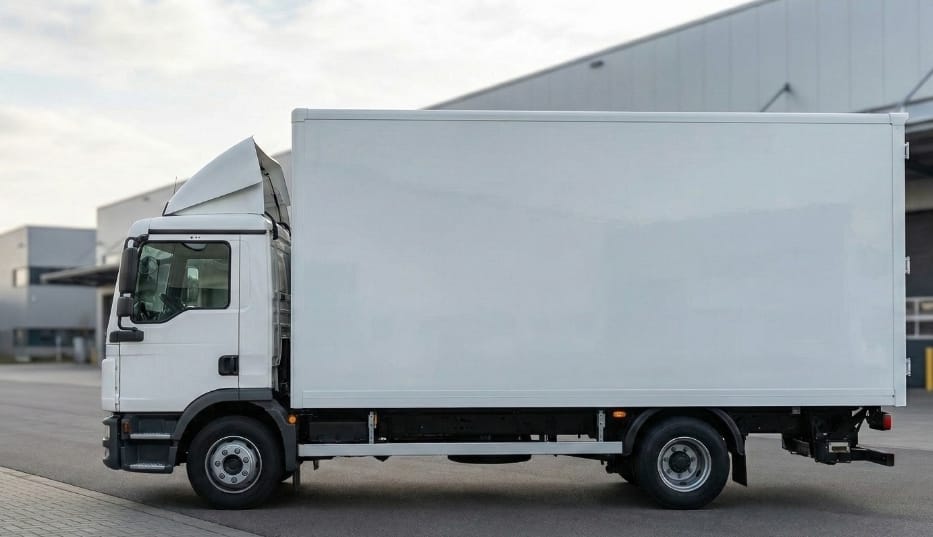
7.5-Tones truck
They are ideal for urban deliveries, short regional transport, and areas with strict weight limits
Typical Dimensions & Configurations
Dimensions vary slightly by brand, body type (box/taultliner), and tail lift option.
Standard 7.5 t Box / Curtainsider
Length: 5.0 – 7.4 m
Width: 2.45 – 2.50 m
Internal height: 2.20 – 2.50 m
Cargo volume: ~30 – 42 m³
Tail lift: common (600–1,500 kg capacity)
Tautliner / Curtainsider version
Same body size
Ideal for palletized goods needing side-loading
Refrigerated 7.5 t version
Slightly reduced payload due to insulation
Internal height: 2.10 – 2.30 m
Temperature range: typically -20°C to +20°C
Payload Capacity
Payload strongly depends on body type and equipment:
Box / Curtainsider: ~2,500 – 3,500 kg
Refrigerated: ~2,000 – 2,700 kg
Lightweight chassis versions: up to ~3,500 kg
These trucks are limited mainly by the 7.5 t GVW legal limit, not by physical size.
Pallet Capacity
7.5-ton trucks typically fit:
12–18 Euro pallets (120 × 80 cm)
10- 14 One Way pallets (120 × 100 cm)
10-14 Industrial pallets (120 x 120 cm )
The layout is usually 2 rows of pallets.
Best Suited For:
Urban and last-mile pallet deliveries
Retail and distribution
Express shipments
Light machinery
Parcels and general cargo
Deliveries to city centers with weight restrictions
Short-distance regional transport
Limitations
Lower payload vs. 12t / 18t / 40 tones
Limited height for bulky items
Payload decreases significantly for refrigerated bodies
When to Choose a 7.5-Ton LKW
Choose this category when your cargo:
Fits on 10–18 Euro pallets
Weighs under ~3 tonnes
Needs urban delivery
Must access areas where 12t/18t/ 40 trucks are restricted
Requires fast, flexible distribution
Involves many stop-and-go deliveries
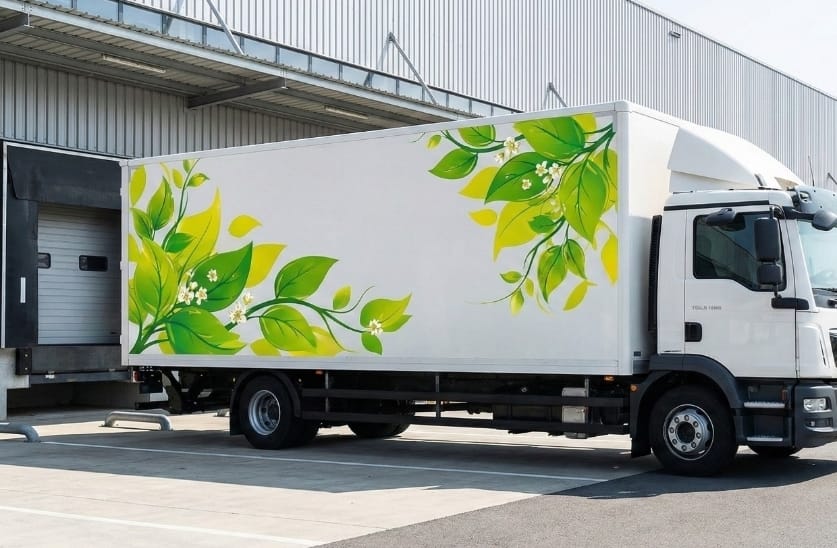
12 Tones truck
Typical Dimensions & Configurations
Dimensions vary by manufacturer and body type (box, curtainsider, refrigerated, tail lift).
Standard 12 t Box / Curtainsider
Length: 6.5 – 9.0 m
Width: 2.45 – 2.50 m
Internal height: 2.30 – 2.60 m
Cargo volume: ~40 – 57 m³
Tail lift: common (1,000–2,000 kg capacity)
Tautliner / Curtainsider version
Same body size
Excellent for palletized goods needing side-loading or fast operations
Refrigerated 12 t version
Slightly reduced payload due to insulation
Internal height: 2.20 – 2.40 m
Temperature: typically -20°C to +20°C
Multi-temperature options available
Payload Capacity
Payload depends on chassis, equipment, and body structure:
Box / Curtainsider: ~5,000 – 7,200 kg
Refrigerated: ~4,200 – 6,500 kg
Lightweight chassis versions: up to ~7,500 kg
Pallet Capacity
16–22 Euro pallets (120 × 80 cm)
12–18 One Way pallets (120 × 100 cm)
10–14 Industrial pallets (120 × 120 cm)
Best Suited For
Regional pallet deliveries
Retail & supermarket distribution
Multi-stop transport
Light industrial goods
Parcels, textiles, packaging
Deliveries requiring both capacity and maneuverability
Limitations
Higher operating cost than 7.5t
Restricted from very narrow city streets
Lower payload than 18t or 40t combinations
Payload drops with refrigerated bodies or heavy tail lifts
When to Choose a 12-Ton LKW
Choose this category when your cargo:
Fits 16–22 Euro pallets
Weighs 4–7 tonnes
Requires more capacity than a 7.5t truck
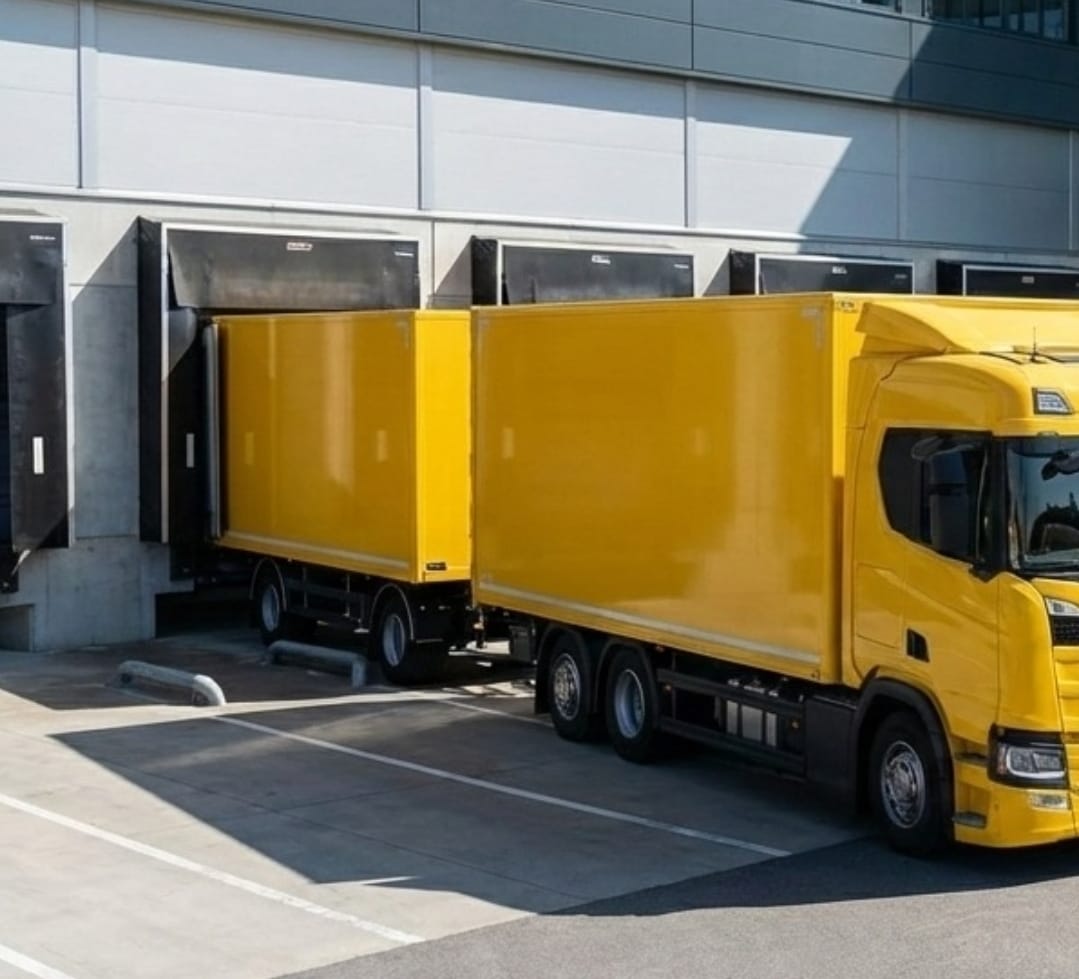
18 -23 Tones
Jumbo Truck + Trailer Concepts
Jumbo vehicles are designed to maximize loading volume while staying within EU road regulation limits. They feature a low loading platform, increased internal height, and two loading modules:
Dimensions (Truck + Trailer)
Standard Jumbo Combination
Truck loading length: 6.45 m or 7.75 m
Trailer loading length: 9.05 m or 7.75 m
Internal width: 2.50 m
- Internal height:
Truck: 3.00 m
Trailer: up to 3.26 m
Total loading volume: up to 120 m³
Payload & Pallet Capacity
Payload
12–23 tonnes, depending on chassis and equipment
Pallet Spaces
Up to 38 Euro pallets
(based on the 6.45 / 9.05 m or 7.75 / 7.75 m layouts)
Extras & Options
Inspired by your EXTRAS images, Jumbo combinations support:
Edscha roof / lifting roof
(ideal for crane loading or high cargo)Transportable forklift (Mounty / Palfinger)
(perfect for construction sites)
Best Suited For
Jumbo truck–trailer combinations are ideal for:
Construction materials
Furniture and high-volume goodsLightweight but bulky freight
Industrial packaging
Retail distribution
High internal-height cargo
Palletized goods requiring fast loading
Combined transport (road + rail)
When to Choose a 18 -23 Tones Jumbo truck Combination
Choose a Jumbo truck + trailer if your cargo:
Requires large internal height
Is lightweight but bulky
Needs exact metric loading dimensions
Must be loaded quickly or from the side
Benefits from swap-body handling
Requires through-loading
Fits 38 Euro pallets
Needs construction-site delivery with transportable forklift
🚛4. Curtainsider Trailer – Standard / Mega 13.6 m Trailer
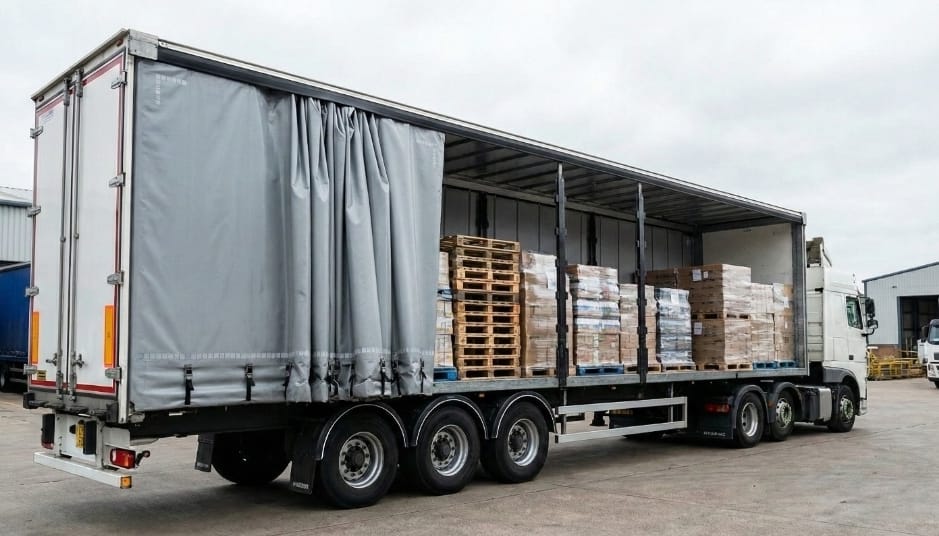
Taultliner
A curtainsider (also called a tautliner) is the most common trailer type used in European road transport. It provides excellent flexibility for palletized goods, side loading, and fast operations.
A. Internal Dimensions
- Standard Curtainsider
Length: 13.60 m
Width: 2.48 – 2.50 m
Height: 2.60 – 2.70 m
Internal volume: 85 – 90 m³
- Mega Trailer
Height: ~3.00 m
Length: ~13.60 m
Width: ~2.48–2.50 m
Volume: approx. 100–102 m³
B. Maximum Loading Capacity
Max weight (truck + trailer with pallets ): 40 tonnes
Typical payload capacity: 20,000 – 25,500 kg
C. Pallet Capacity
Euro Pallet (120 × 80 cm)
- 33 Euro pallets standard
3 rows of 11 pallets each
- 34 Euro pallets
3 rows of 10 pallets + 2 rows of 4 pallets(sideways)
Industrial Pallet (120 × 100 cm)
- 26 Industrial pallets
2 rows of 13 pallets each(sideways)
Large Pallet (120 × 120 cm)
- 20 pallets
2 rows of 10 pallets each
D. Loading Options
Curtainsiders offer the best flexibility in European logistics:
✔ Side loading
The curtain opens completely for full-side access — ideal for long or heavy items.
✔ Rear loading
Standard via the rear doors.
✔ Top loading
The roof can be lifted or opened on many models, allowing crane loading.
E. Suitable For
Palletized goods
Machinery
Long items (tubes, beams, profiles)
General cargo
Paper reels
Furniture & bulky items
Combined loads (mixed pallets + loose cargo)
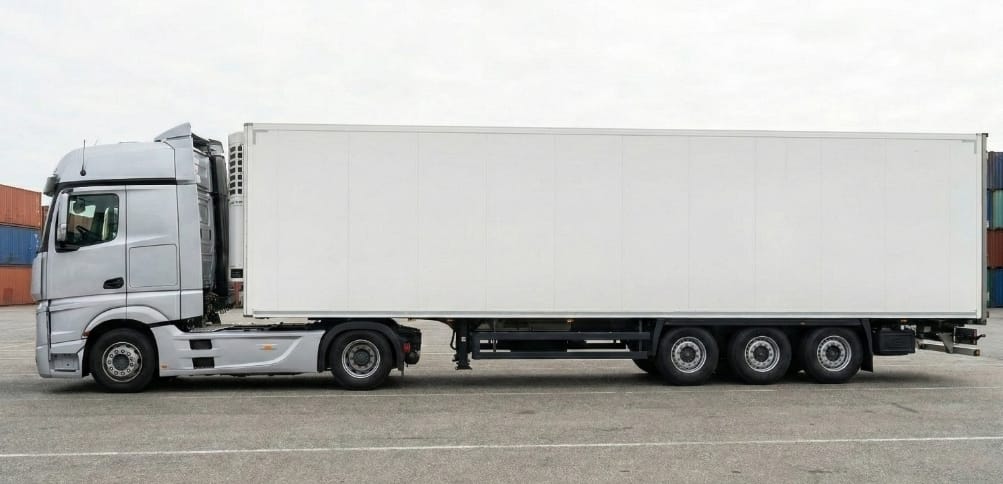
Box & Refrigerated Trailers
Box trailers and refrigerated trailers share the same standard European dimensions and loading capabilities. Both offer complete protection from weather, dust, and external conditions, making them ideal for sensitive, valuable, or temperature-controlled goods. The difference lies mainly in insulation and temperature regulation.
A. Box Trailer (Closed Trailer)
Internal Dimensions :
Length: ~13.60 m
Width: ~2.40 – 2.50 m
Internal height: ~2.60 – 2.70 m
Volume: ~85 – 90 m³
Payload: ~21,000 – 23,000 kg (depending on truck & trailer weight)
Pallet Capacity:
33 Euro pallets (120 × 80 cm)
26 Industrial pallets (120 × 100 cm)
20 Large pallets (120 × 120 cm)
Best suited for:
Electronics
Packaged goods
Textiles
Furniture
High-value or sensitive dry cargo
Products requiring clean, enclosed transport
B. Refrigerated Trailer (Frigo / Reefer Trailer)
Frigo trailers have the same basic dimensions as box trailers but include full insulation and a temperature-regulation unit. They are designed for goods that must be kept at a controlled temperature throughout the entire journey.
Internal Dimensions:
(Almost identical to box trailer)
Length: ~13.30 – 13.60 m
Width: ~2.4 – 2.48 m
Internal height: ~2.55 – 2.70 m
Volume: ~80 – 90 m³
Payload: ~21,000 – 22,500 kg
(lower due to insulation panels and cooling equipment)
Temperature Range:
Approx. -25°C to +25°C, depending on cargo and unit type
Options & Features:
Meat hanging hooks / overhead rails
Double-deck loading
Multi-temperature zones
Air circulation for consistent cooling
Best suited for:
Fresh foods
Frozen goods
Pharmaceuticals
Temperature-sensitive products
Perishable goods
Meat (with hook system)
Why These Trailers Matter
Both box and frigo trailers are essential when goods require:
Clean, enclosed interiors
Protection from theft or contamination
Temperature stability
Strict control during transit
They provide the highest safety level for delicate or valuable cargo.
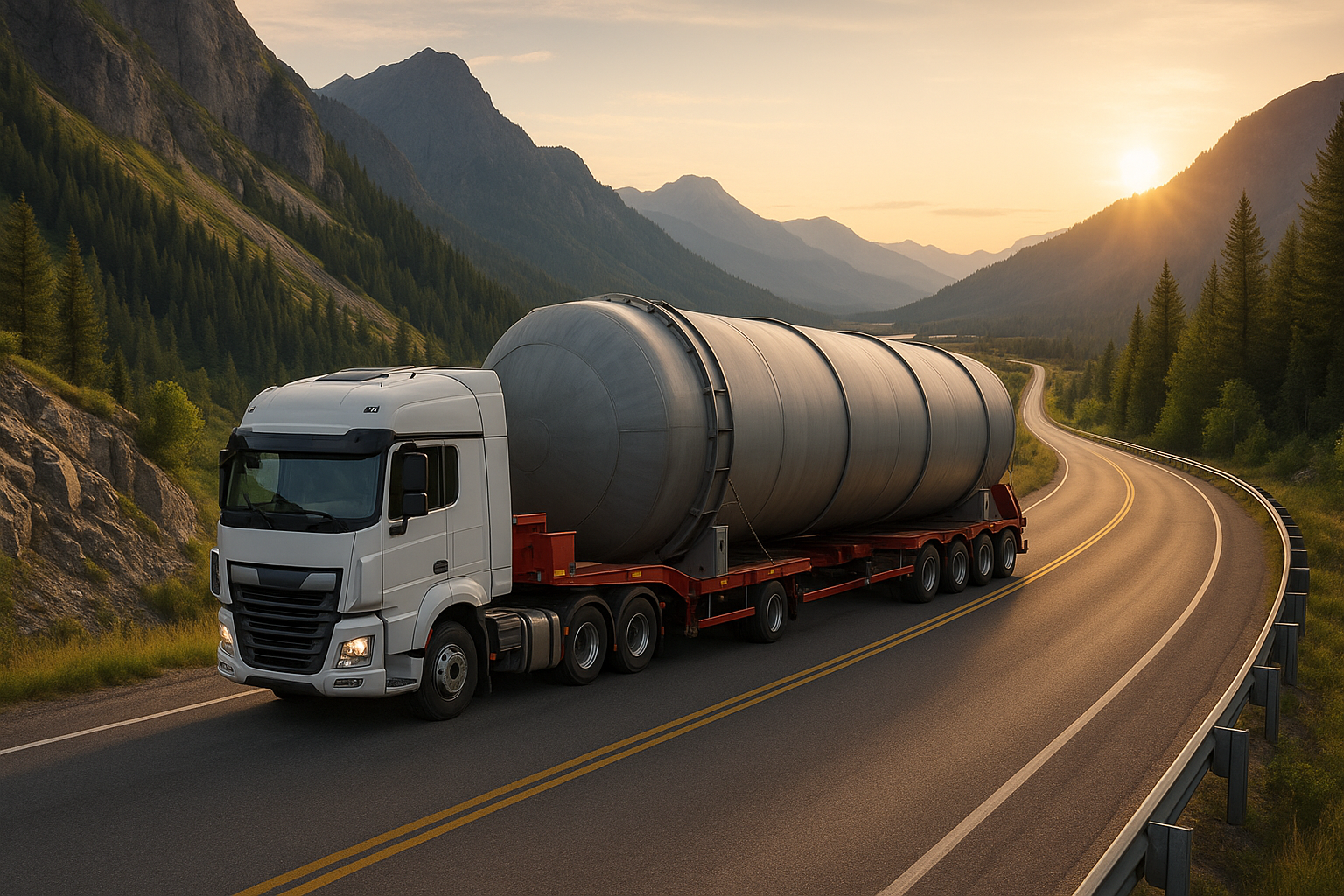
Oversize Transport Trailers
(Heavy & Long Loads)
Oversize trailers are designed for cargo that exceeds the standard legal dimensions of a typical 13.6 m trailer. These specialized trailers provide the flexibility, strength, and stability required to move extremely large, heavy, tall, or long items safely.
They come in different configurations such as extendable, multi-axle, low-loader (lowboy), semi-low loader, and flatbed extendable.
Extendable Flatbed Trailer
Total length (closed): ~13.60 m
Total length (extended): 20–50+ m (depending on model)
Width: 2.48–2.55 m (can be extended with special side brackets)
Low Loader (Lowboy)
Deck height: 0.30–0.90 m (very low for tall cargo)
Usable deck length: ~6–12 m (extendable models up to 20–25 m)
Gooseneck length: ~3 m
Total length: up to ~20 m
Maximum Capacity
Payload varies massively depending on axle configuration:
2–3 axles: 20–35 tonnes
4 axles: 40–55 tonnes
5–8 axles: 60–100+ tonnes
Modular trailers (Goldhofer / Scheuerle): can exceed 200 tonnes
Oversize trailers are used for cargo that cannot fit into standard 13.6 m trailers, such as:
Wind turbine blades
Pipes, beams, profiles (20–50+ m)Industrial machinery
Transformers & generators
nstruction machinery (excavators, bulldozers, cranes)Tanks and silos
Boats and yachts
Oversized metal structures
Railway componentsPrefabricated building elements
Requirements & Restrictions
European oversize transports require planning and legal permits:
Permits (permise speciale) for each country
Escort vehicles depending on width/height/length
Route analysis (bridges, tunnels, weight restrictions)
Speed limits (often reduced)
Time restrictions (night or weekend bans in some countries)
Common oversize thresholds:
Width over 2.55 m
Height over 4.00 m
Length over 16.50 m (semi-trailer)
Length over 18,75 m ( Truck+ trailer)
Weight above 40 tonnes (depending on axles)
When to Choose an Oversize Trailer
Choose an oversize trailer when your cargo:
Is extremely long (20–50 m)
Is very heavy (40–100+ tonnes)
Is very tall (machines, tanks, construction equipment)Requires special loading conditions
Cannot be disassembled into smaller parts